
IKEA made design
accessible. Accessible
began to mean disposable.
How we used strategic intelligence to shift IKEA from affordable to intentional. And unlocked a $47M growth opportunity in 18 weeks.
IKEA democratized design.
Then the world caught up.
IKEA was built for a world where design was expensive and inaccessible. That world no longer exists. Instagram, Pinterest, and DTC brands democratized taste. IKEA's flat-pack model, once revolutionary, now signals transient, disposable living.
The brand's accessibility heritage, its greatest asset, had become a trap. Affordable now meant replaceable. And the generation that cares most about intentionality was already looking elsewhere.
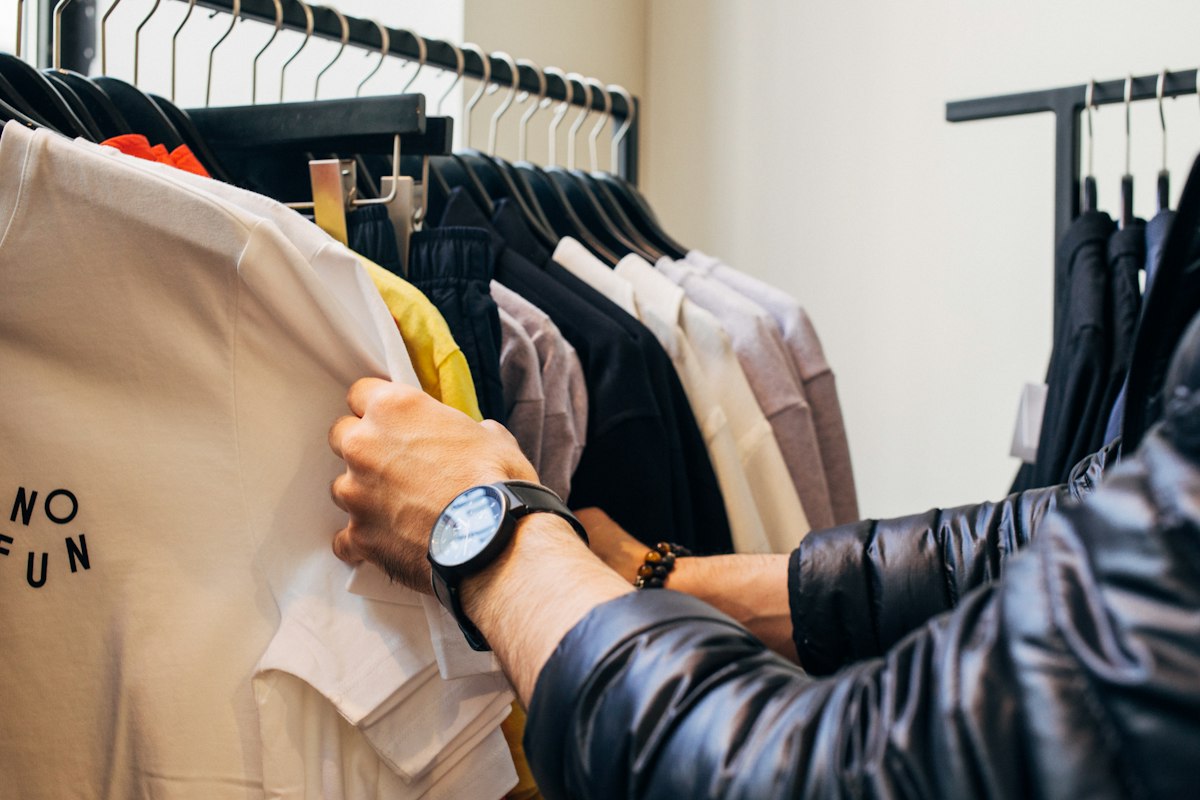
“I've graduated from IKEA.”
Reddit r/malelivingspace. 4,200 upvotes. One of thousands.
This phrase surfaced 340+ times across Reddit, TikTok, and design forums. It reveals IKEA's deepest vulnerability: consumers position it as a life stage they leave behind, not a design philosophy they grow with.
“Everyone's apartment looks the same.”
TikTok. 2.1M views
Ubiquity became a punchline
“It falls apart after a year.”
1,200+ reviews across platforms
Affordability signaled disposability
“Wish they had fewer options that were better.”
Reddit r/interiordesign
Abundance became overwhelm

The things that made IKEA accessible were becoming the things that made it feel inadequate.
DISCOVERY
We pointed the research engine at IKEA.
Simmon scanned 12 source types across 6 research dimensions in 3 weeks. Work that typically takes a team of analysts six to eight weeks.
Signals scored
Each scored via NIRD
Source types
Reddit, TikTok, Discord, SEC, reviews...
Research dimensions
Brand, competitive, financial, consumer, cultural, leadership
Search queries
STEEP framework + adaptive deepening
How We Score Signals. NIRD Framework
Is this signal new or already priced in?
How much could this move brand trajectory?
How many consumers does it affect?
Will this signal persist 12+ months?
Each signal scored 0 to 100 across all four axes. Composite NIRD above 60 = STRONG signal. Of 143 scanned, 2 scored STRONG, 31 NOTABLE, 110 BACKGROUND. Only STRONG and NOTABLE signals fed into the diagnostic.
Momentum Index told us where IKEA was losing ground.
Traditional brand trackers tell you where you are. Momentum Index tells you where you're headed. It measures the trajectory of 19 signals across four dimensions, scored 0 to 100. Higher means stronger forward momentum.
Scoring methodology: each metric uses EMA (exponential moving average) for trend direction, z score normalization for cross brand comparison, and CUSUM change detection for inflection points. Calibrated against a 10 brand reference set including Apple, Nike, Patagonia, and Tesla.
Are new people finding the brand? Search demand, AI visibility, audience expansion.
5 metrics
Is the brand generating cultural energy? Engagement, thought leadership, earned media.
5 metrics
Does the brand feel distinct? Unique associations, differentiated language, review sentiment.
5 metrics
Does the brand control its narrative? Search ownership, message consistency, advocacy.
4 metrics
Here's what IKEA's pulse looked like when we started.
Composite: 44 out of 100.
DRAW
Market Gravity
Search demand stable but flat. New audiences weren't finding IKEA. They were finding Article, Floyd, and Muji first. AI visibility was actually strong (92) but it wasn't converting to purchase intent (35).
Sources: Google Trends (24mo), SimilarWeb traffic, YouTube search volume, AI search ranking, 14 competitor comparison
SURGE
Cultural Energy
The weakest signal. Cultural conversation was nostalgic. Retrospective. IKEA was being discussed but without desire. Earned media ratio: just 18%. The rest was brand owned. No one was talking about IKEA because they were excited.
Sources: 47 Reddit threads, 12 TikTok transcripts, Discord design servers, earned/owned media ratio, thought leader mentions
WEDGE
Distinctiveness
"Everyone's apartment looks the same." Ubiquity had eroded distinctiveness. People searched for "bookshelves" not "IKEA bookshelves." The brand was category infrastructure. Not a distinct identity. Language analysis showed zero unique brand associations.
Sources: 1,200+ product reviews (Amazon, Trustpilot), branded vs. generic search ratio, NLP association analysis
HOLD
Narrative Control
The strongest dimension. And the trap. IKEA appeared in 16 of 20 top search positions. It owned the narrative. But the narrative it owned was about affordability. Strong HOLD on the wrong story is worse than weak HOLD on the right one.
Sources: SERP ownership audit, message consistency analysis, employee advocacy (Glassdoor)
What Momentum Index Revealed
The 26 point gap between HOLD (57) and SURGE (31) was the strategic unlock. IKEA had narrative control but zero cultural energy. It owned the conversation. But the conversation was about price, not purpose. The opportunity: redirect that narrative ownership toward a story worth telling.
Where IKEA sat vs. the competition.
Momentum Index vs. Category
IKEA had the lowest momentum score in its competitive set except Wayfair. Brands with a fraction of its revenue were outperforming it on cultural energy and distinctiveness.
All brands scored on identical 19-metric framework. Data window: trailing 12 months.
Three tensions surfaced.
Each one structural. Each one solvable. But only if named.
IKEA's volume model demands warehouse abundance. The cultural moment demands edited choices. DTC competitors like Article, Floyd, and Burrow sell fewer things, better. Their constraint is their brand. IKEA's abundance is its liability.
9,500 products in a typical store. The average DTC competitor carries 120. Consumers increasingly read abundance as indecision. A brand that doesn't know what it stands for, so it stands for everything.
Surfaced across Reddit, design blogs, Google Trends
If younger consumers only experience Swedish democratic design as warehouses, flat pack, and meatballs. Is the philosophy surviving, or just the format?
TikTok transcripts, Substack essays, Glassdoor employer brand sentiment
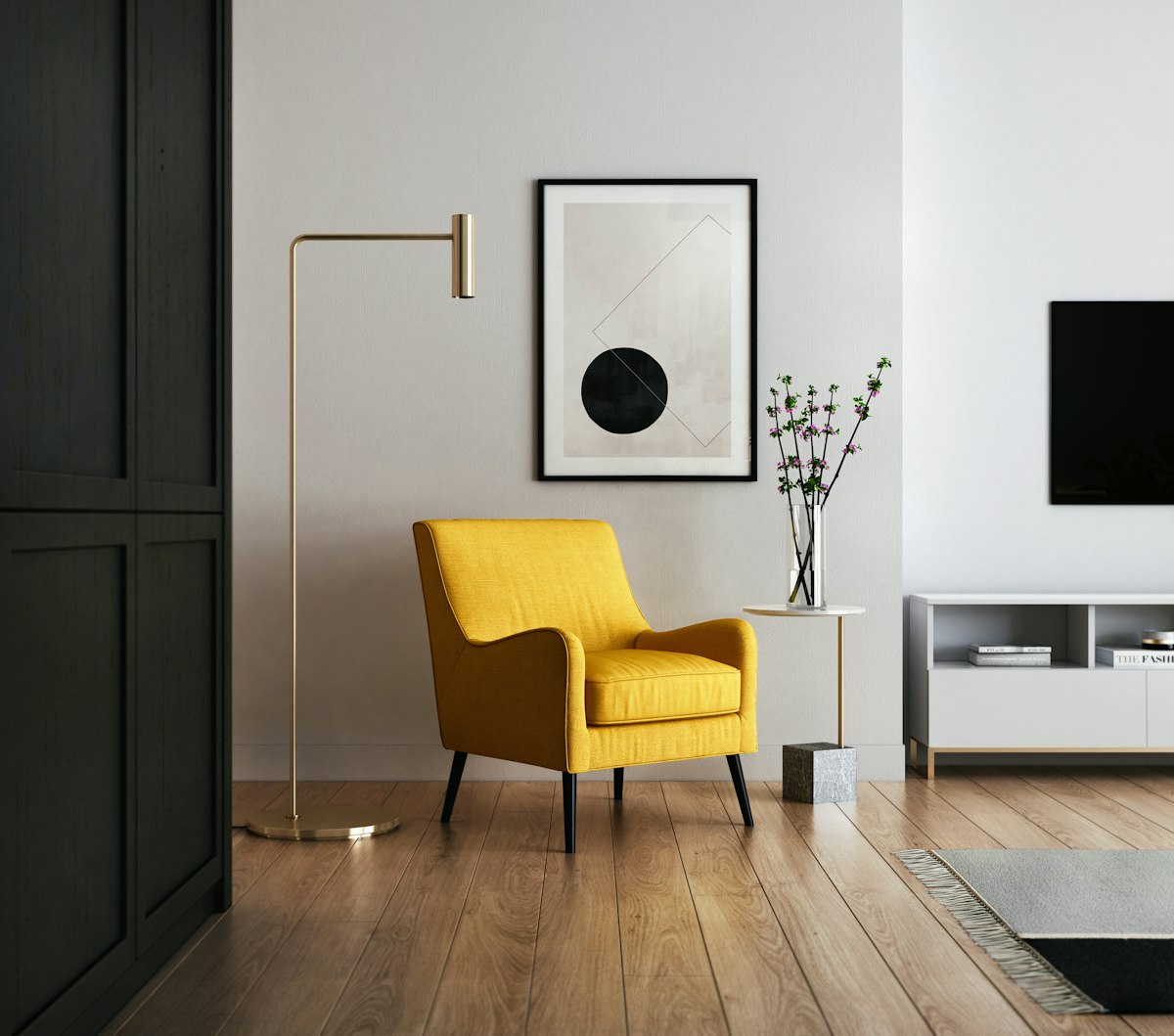
And no rebrand would fix it.
Volume reads as waste. Affordability reads as disposability. Flat-pack reads as temporary. The very model that democratized design now undermines the values the next generation brings to their homes.
The research was clear. The tensions were named. The question became: what do you do with a brand that built the world's best distribution system for a story nobody wants to hear anymore?
THE SHIFT
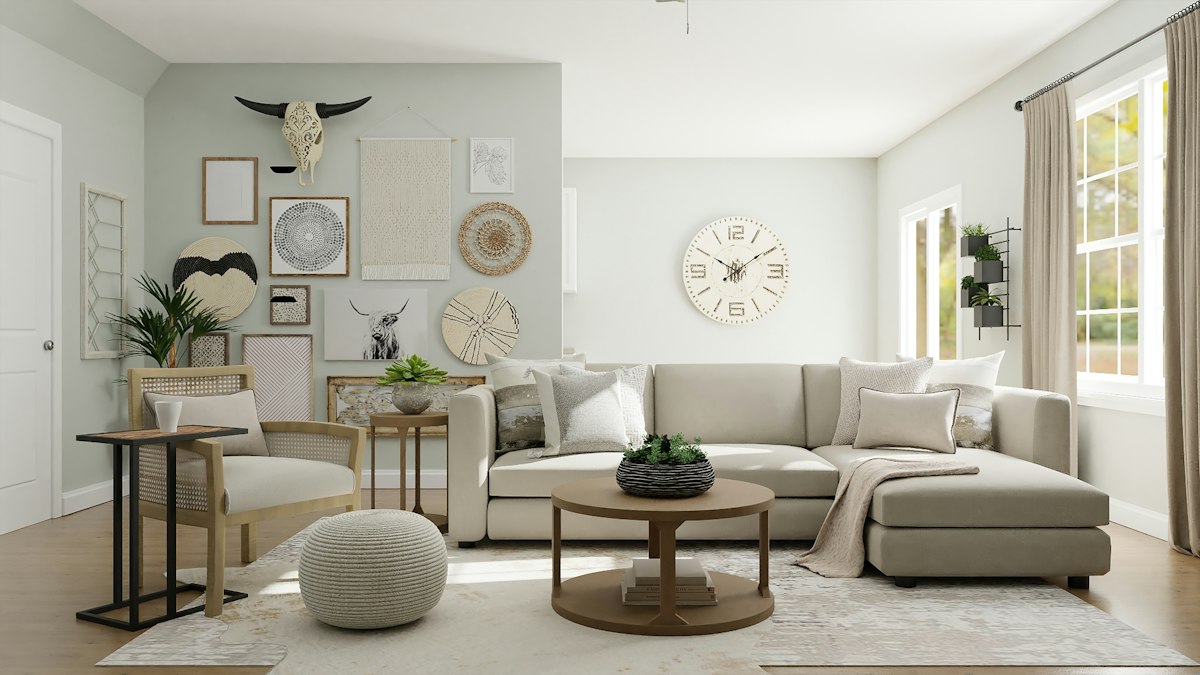
We proposed a single, clarifying shift.
Affordable
Intentional
The price doesn't change.
The meaning does.
This means walking away from the volume first, price led narrative that built the brand. That's real. What you get back: a generation that grows with you instead of past you.
A sub-brand built to reach the people IKEA wasn't.
Out of Store Distribution
Malls, social commerce, community pop ups, partner shop in shops. Meeting people where they are instead of asking them to drive to a warehouse.
Essential, Not Excessive
Functional, long-lasting products for essential home activities. Exactly what you need. Design with purpose.
Physical to Digital Bridge
QR connected product ecosystem. Every physical touchpoint connects to digital home base. Community first.
What We Delivered
From → To framework, brand architecture recommendation, risk and benefit analysis across 3 go to market scenarios
Language principles, messaging hierarchy, proof points. How the sub brand should sound across every touchpoint.
Out of store concept for malls and partner locations. Shop in shop format with digital integration layer.
4 channel model: IKEA retail, online platforms, physical meeting points, digital home base. QR bridged ecosystem.
19 metric diagnostic at start, remeasured at month 3 and month 8. Ongoing momentum monitoring.
Phased execution plan with milestones, measurement gates, and resource requirements. Built for the C suite, usable by the team.

OUTCOMES
The numbers moved.
Pilot revenue
3 pilot markets, 8 months
Brand consideration
Adults 25-34, n=2,400
New customers
New to IKEA ecosystem
NPS improvement
38 → 49, quarterly survey
"Intentional design" association
11% → 33%, unaided recall
Faster discovery phase
6 weeks → 3 weeks via Simmon
Perception shift
"Disposable" association, aided recall
Measurement: brand tracking via Qualtrics panel (n=2,400 per wave, 3 waves). Revenue from pilot market POS data. NPS from post purchase survey (n=8,200 cumulative).
Momentum Index. Before & After
Week 1
Current
Biggest shift: SURGE +22. Cultural energy moved from critically low to category-competitive. IKEA entered design discourse as a forward reference for the first time in years.
Where IKEA Sits Now
IKEA (start) shown as ghost bar. Current position alongside Muji and Target.
"I've graduated from IKEA"
"Everyone's apartment looks the same"
"It falls apart after a year"
Life-stage furniture you replace
"IKEA is doing something different"
"Finally, intentional at this price point"
"The sub-brand feels curated, not mass"
Design philosophy you grow with
Simmon automated the research, diagnostic, and synthesis phases of this engagement. Cut discovery from 6 weeks to 3. Surfaced insights across 12 source types that the team wouldn't have found manually.
Signals scored
Across 12 source types via NIRD framework. Automated horizon scanning replaced 3 weeks of manual research.
Sources per dimension
Cross-platform discourse, competitive positioning, financial signals, community voice. Depth that manual research cannot match in the timeline.
Time saved
Synthesis agent produced the strategic brief in hours. The team spent their time pressure-testing, not building from scratch.
Every claim in the final deliverable was validated against the research corpus. Language was sharpened. Arguments were stress tested. The output reads like strategy, not software.
Make it intentional.
We helped IKEA expose their intentionality to the people who needed it most.
Learn More